


About Ben
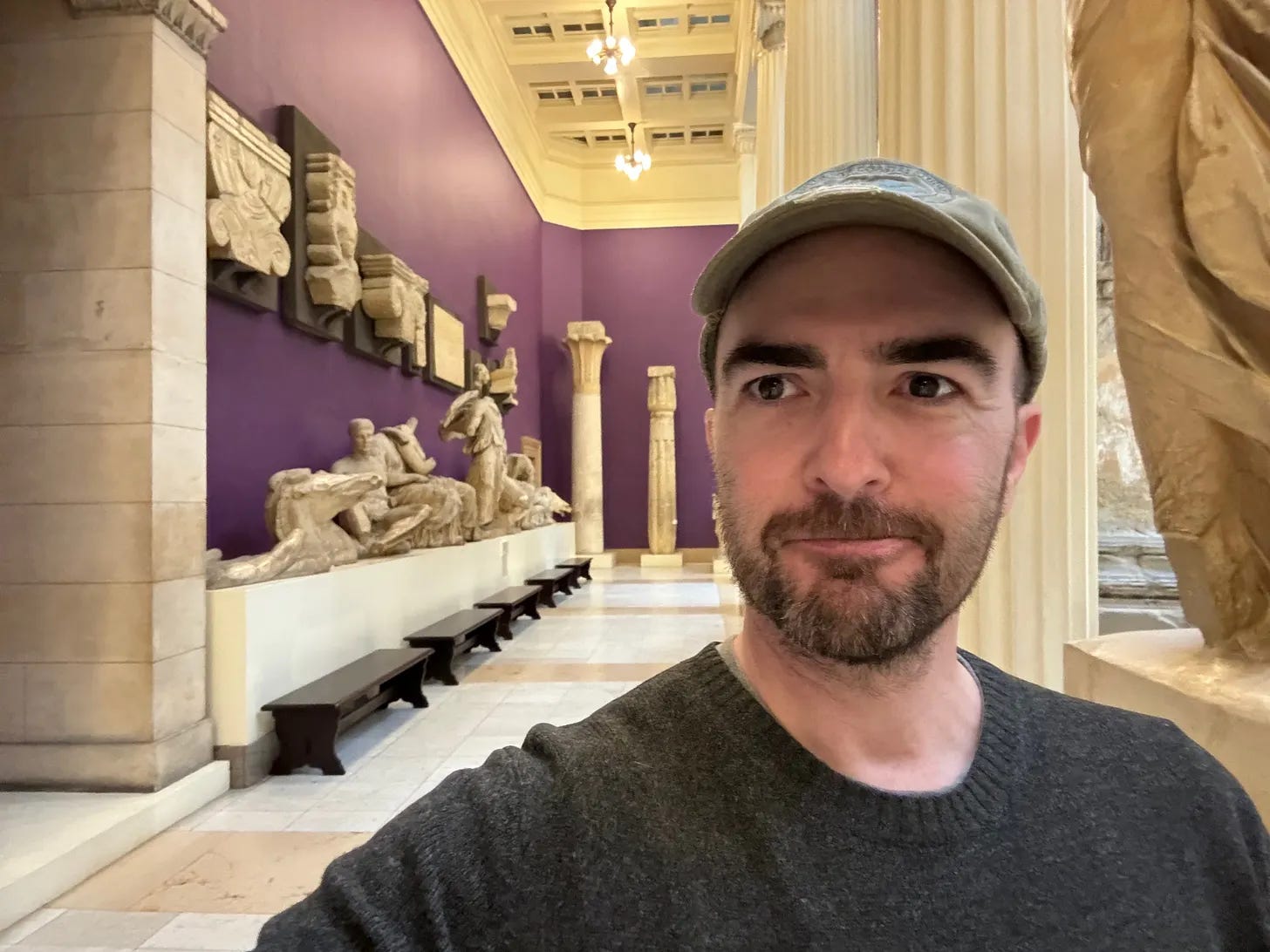
Ben Robbins is an acclaimed indie game designer best known for creating Microscope, In This World, Kingdom, and This Means War. Ben’s flagship design, Microscope, revolutionized GM-less storytelling games by allowing players to collaboratively build vast, non-linear histories from the top down. In this returning appearance on the podcast, Ben and I dive deep into the psychological hurdles of revisiting a beloved, successful game to create Microscope v2. We explore the creative trick of fooling yourself to bypass pressure, the design spectrum between "wings vs. rails," and why opening your playtesting process up to the public saves time while yielding better results. Plus, we break down his experimental new game This Means War (which strips narrative control away from players) and engage in a passionate, honest debate on the role and impact of AI in the future of game design.
Check out Ben’s first episode here:

Ben Robbins — World Building in Microscope, Gaming with Strangers and Writing Effective Rules (#64)
Ah-ha! Justin’s Takeaways
Wings vs. Rails: Every game system sits somewhere on a spectrum between giving your players “rails” (guided structure, linear safety, and explicit instructions) or “wings” (total freedom to fly, explore, or crash into the ground). There is no correct answer to where your game should be on this spectrum, but as a designer, you must understand your target audience and the exact emotional experience you want to deliver. If you give players total freedom without clear expectations, they can freeze up; if you give them too many rails, you limit their creative expression.
Fool Yourself to Reduce the Pressure: The heavy burden of past success can paralyze your creative momentum when it comes time to work on a sequel or revision. Ben wanted to improve Microscope, but the pressure of touching his masterpiece was intimidating. He tricked himself into making Microscope v2 by pretending he was just designing a side project (Microscope Chronicle) to test new mechanics without the weight of the original title. I did the exact same thing when starting The Lord of the Rings: Ascension, telling myself it was just an “Tolkien-inspired” prototype to take the pressure off until the design proved itself.
Playtesting in Public by “Being Lazy”: Private playtesting with gated email lists and NDA management creates a massive administrative bottleneck. Ben saved himself endless friction simply by opening up his draft rulebooks to the public and letting anyone download and test them. Creators are often terrified of releasing unpolished work into the wild, but you gain far more data and momentum by sharing your ideas with the world than you ever lose by keeping them hidden.
Show Notes
“I am following a procedure, and the procedure has to tell you what to do in a timely fashion. You don’t wanna be sitting there going, ‘Hold on everybody, let me read through these next five pages.’” (00:11:52)
Ben describes a critical flaw in rulebook design for story-driven and indie games. When players sit down for a session, they shouldn’t have to wade through dense blocks of expository prose to figure out what happens next. A great rulebook acts as a clear, procedural guide, bolding the actionable steps and making instructions instant so that players spend their time playing the game rather than flipping through pages.
“The machine of the game takes over and determines what happens in the war. […] Your job as a player is to have no control over that part of it, but just to react honestly as this character to what is happening.” (00:25:30)
In his new design, This Means War, Ben flips the concept of GM-less game design. Instead of giving players collaborative control over world events, the game engine itself acts as an unpredictable machine that forces macro events upon them. By completely removing player control over the overarching narrative, it removes the social anxiety of negotiating “what happens next” and frees players to focus 100% of their energy on reacting as individual characters.
“Ask people, ‘Describe where your character sleeps here and now in this particular season with the events that you’described. Where do they lay down their head? What’s it like?” (00:41:10)
A fantastic lesson in micro-prompts. Instead of asking players for a massive, heroic backstory, Ben asks a single, deeply grounded question: “Where does your character sleep tonight?” A simple, highly specific prompt forces players to stop, visualize the mundane reality of their character’s life, and build immense emotional resonance without requiring hours of exposition.
“Whatever the rule system is designed to do, that’s what’s gonna happen in your game. If you play a game where you don’t even have combat stats you’re gonna probably have less combat.” (01:18:00)
Mechanics dictate behavior. Your rule system acts as a gravitational well that shapes how players interact with your world. If 80% of your character sheet is dedicated to combat stats and weapon attacks, your players will naturally seek out combat solutions. If you want your game to deliver a specific emotional tone or playstyle, ensure your core mechanics incentivize those behaviors directly rather than fighting against them.

P.S. If you are interested in working with me directly on your project, and learning from my mistakes rather than making your own, you can join my Think Like a Game Designer: Design Lab.


