



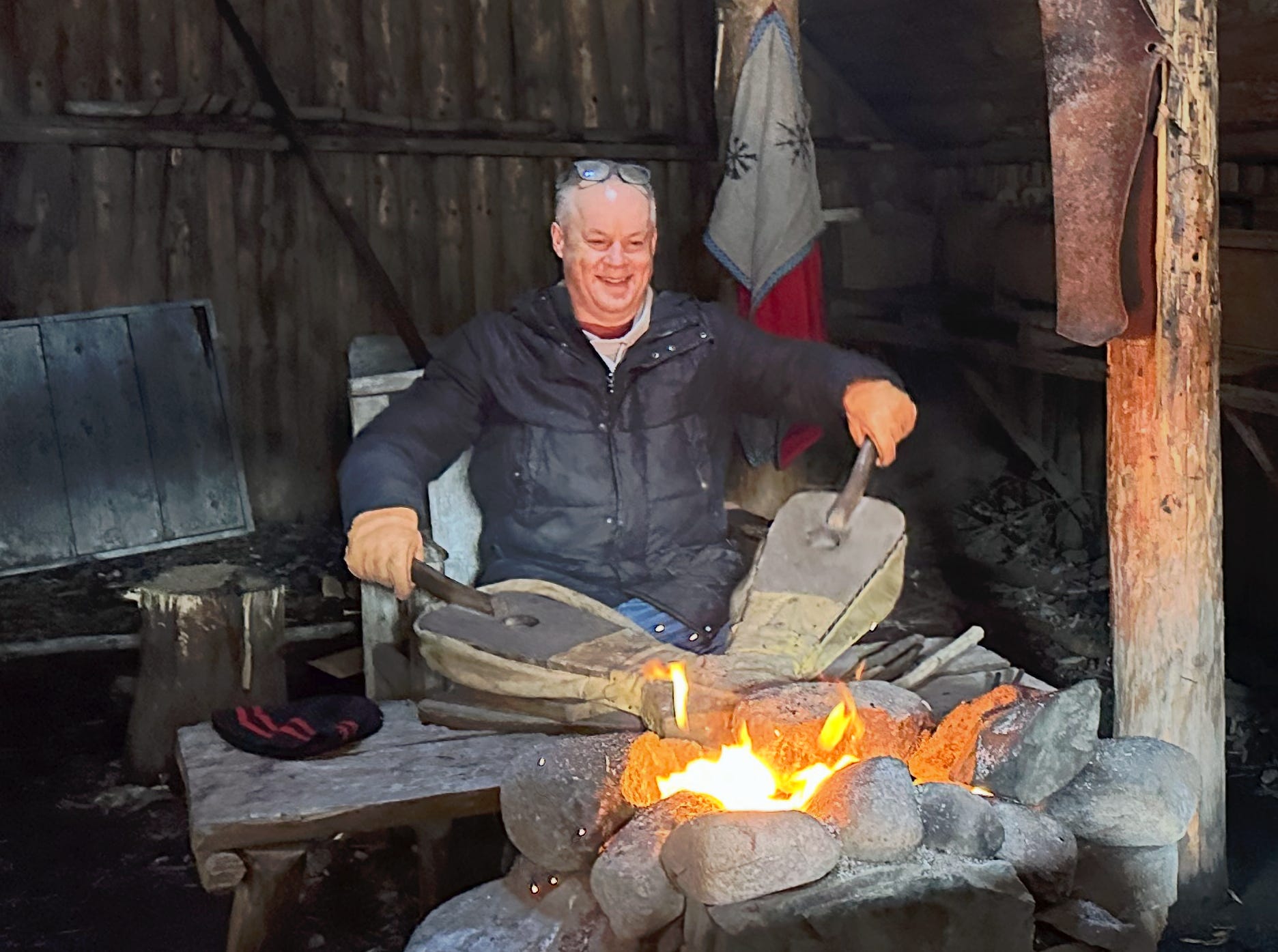
About Chad Ellis
Chad Ellis is a game enthusiast, strategist, and designer with an incredible range of experience across competitive tabletop, corporate leadership, and live reality gaming. Chad started his game publishing career partnering with Rob Dougherty under the Your Move Games brand, releasing innovative designs like Battleground Fantasy Warfare: a clever system that compressed large-scale miniature wargaming down into card sets. He holds an MBA from Harvard Business School and has held executive leadership positions across a wide range of organizations, from small startups to global giants like Siemens. Today, Chad is the founder and operator of Boda Borg Boston, a massive 30,000-square-foot reality gaming center featuring 24 distinct, physical “Quests” that challenge teams mentally and physically. His tabletop roots run deep, from playing on the Magic: The Gathering Pro Tour alongside the legendary Your Move Games testing group, to competitive chess, to running an epic D&D campaign for his kids. Chad also writes a political Substack titled Letters to my Uncles at happygeekchad.substack.com.
Ah-ha! Justin’s Takeaways
Mutual Teacher/Student Relationships: The secret to building an elite playtesting group or an incredible business partnership is surrounding yourself with people where you are both a teacher and a student at the exact same time. Zero ego with a radical willingness to share and learn. When we were coming up in the Your Move Games house back in the day, nobody cared who had the higher Pro Tour finish, everyone listened, everyone pushed each other, and everyone grew together.
Bad Clients Drive Out Good Clients: Bad clients will drive out good clients every single time if you let them. If you dilute your messaging trying to appeal to everyone, you end up captivating no one. Nobody gets to unilaterally decide who loves their game; it’s a designer’s job is to get out there, test with different groups, and discover who it actually resonates with.
Test a Hypothesis, Don’t Just Test: Don’t just run blind playtests hoping to stumble on feedback, instead test a very specific hypothesis. You need to know exactly how every single test converts into actionable data, and more importantly, you have to possess the discipline to change when the the data proves you wrong.
Frictionless Hook Points: Identify your game’s exact hook point, which is the precise moment where a player’s eyes light up and they go, “Oh wow, I get it”. Once you know where that moment lives, your entire design goal is to ruthlessly strip away every single ounce of friction between a person sitting down and experiencing that spark.
Negotiation as a Co-op Game: Negotiation isn’t a zero-sum, competitive battle where one person wins and the other loses—it’s a co-op game. When you shift the conversation away from rigid positions and demands toward underlying interests, you stop fighting over slices and start expanding the size of the pie so everybody walks away winning.
Show Notes
“I think what got us was we never got the retail stores to see us as an ally because for them there was this fear that if I hook a miniature player on Battleground, I’m gonna stop selling him super expensive miniatures and start selling him decks of cards. And so they had to believe that this was gonna be an and rather than an or.” (00:20:41)
Chad gives us a crucial lesson on distributor and retail psychology. When he created Battleground Fantasy Warfare, he knew he had a brilliant system that solved the setup and portability issues of miniature games, but local game stores saw it as a threat to their high-margin miniature sales rather than an additive entry point. If your product relies on a middleman, you can’t just convince the end consumer—you have to design a narrative that proves to the retailer that your product expands their pie rather than cannibalizing it.
“In most deals people are gonna say, ‘Here’s an amount that I want,’ or ‘a term that I want.’ And getting them to think, okay, let’s set aside the demands. Let’s decide the positions that we’re going for. What are the goals? What are the interests? What do you want to have?” (00:39:41)
This is straight from Chad’s Harvard Business background. When negotiations stall, it’s almost always because both sides are digging their heels into rigid positions and demands. The moment you step back and ask “Why do you want that?”, you unlock the underlying interests. Once you understand what someone actually cares about (whether it’s timing, creative freedom, or risk mitigation) you can craft creative structures that deliver on their real goals while still protecting your own.
“When you go into one of [Boda Borg’s] challenges, you don’t know what your objective is, you don’t know what you’re not allowed to do, but if anybody breaks the rules, the team fails. And from the moment you open the door to a challenge, you’ve got two minutes or less before you run out of time.” (00:44:46)
In live reality gaming, designing for immediate failure is actually the key to fun. Traditional escape rooms design around success, guiding players toward a close finish with hints. Boda Borg reverses this by dropping players into a room with zero instructions and a tight two-minute clock. By turning failure into an instant, low-stakes reset loop, players instantly engage in rapid hypothesis testing, communication, and iteration.
“When we’re designing, we know that not everybody is gonna love every quest” (00:58:34)
When you build a multi-game ecosystem or an interactive space like Boda Borg, stop trying to make every single attraction appeal to every single visitor. Some players want intense physical Ninja Warrior challenges; others want to sit in a room for 20 hours solving a complex logic puzzle like Boda Borg’s Potions quest. Design a diverse portfolio of experiences so different player archetypes can choose their own adventure and still leave completely thrilled.
You can find Think Like a Game Designer on these platforms:


